Mount Kilimanjaro: Location, Weather, Map, Height + Hike Cost
The Mount Kilimanjaro Exclusive Facts According to Experts
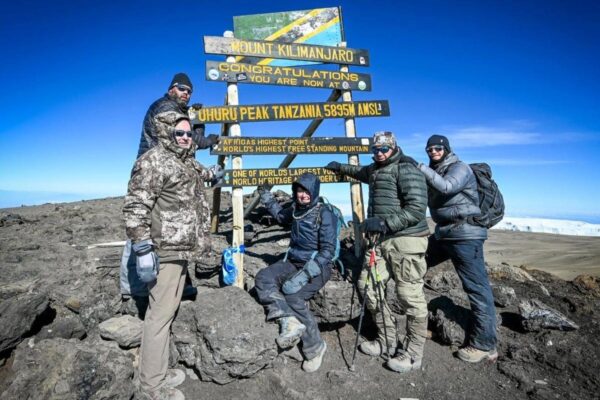
Mount Kilimanjaro: Location, Weather, Map, Height, Peak, and Hike Cost. Mount Kilimanjaro Exclusive Facts According to Experts. Visit Tanzania in East Africa. Mount Kilimanjaro is one of Tanzania’s most extraordinary natural icons, rising to 5,895 meters as the highest point in Africa and the world’s tallest free-standing mountain.
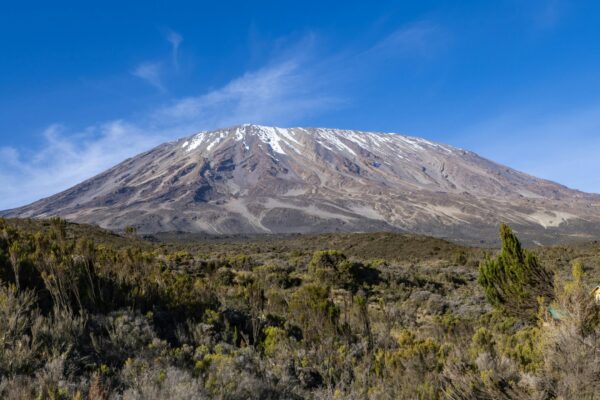
This volcanic massif stands in dramatic isolation above the surrounding plains, creating a skyline that feels larger than life and instantly unforgettable. For travelers, that means a journey shaped by rare views, a legendary summit, and a destination that carries real global prestige as part of Kilimanjaro National Park, a UNESCO World Heritage Site.
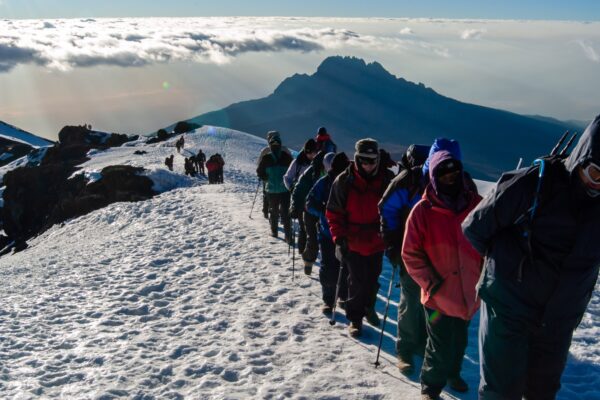
According to experts, Kilimanjaro’s magic goes far beyond its height: its slopes move through striking ecological zones, from lush mountain forest to heath, moorland, alpine desert, and even icy summit conditions, all within one climb. That blend of biodiversity, altitude, and sheer visual drama is what makes Kilimanjaro such a powerful travel experience for hikers, photographers, and adventure seekers alike. It is a mountain that does not just impress from afar; it rewards every step with a new landscape and a stronger sense of achievement.
Mount Kilimanjaro Location
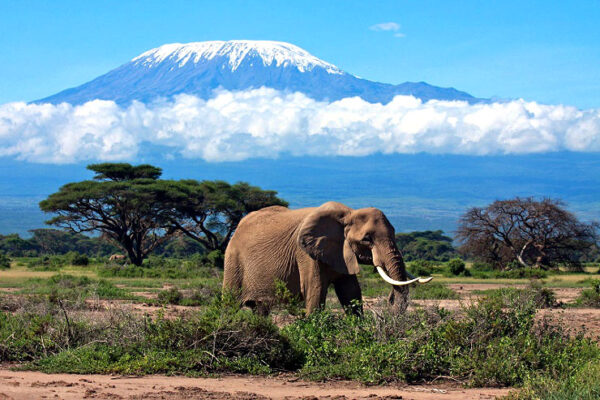
Mount Kilimanjaro is located in northern Tanzania, right near the border with Kenya in East Africa. It rises above the plains as the centerpiece of Kilimanjaro National Park, and the park’s official site notes that the mountain sits in Northern Tanzania and can be accessed by road or via Kilimanjaro International Airport, about 45 km to the west. That makes it one of the easiest major mountains in Africa to place on a map, especially for travelers combining it with safari in Arusha, Moshi, or the northern circuit. It is a landmark that dominates the region and draws climbers from around the world.
Mount Kilimanjaro Weather
Kilimanjaro weather changes fast because of altitude, time of year, and time of day, so climbers need to plan for anything from warm base conditions to freezing summit temperatures. TANAPA says conditions are very unpredictable, with the clearest popular climbing windows usually falling between June and October, and again from December to March. The park also notes that many visitors avoid April and May because of heavy monsoon rains. That means the best climb is not just about fitness; it is also about timing, layered clothing, and proper gear. In short, Kilimanjaro rewards preparation more than guesswork, and weather can shift the whole mood of the climb.
Mount Kilimanjaro Map
On a map, Mount Kilimanjaro stands out in northeastern Tanzania, close to the Kenya border and surrounded by the protected area of Kilimanjaro National Park. The official park page explains that the mountain rises sharply from open plains and remains one of Africa’s classic geographic images. The park brochure also shows how easy it is to reach from Kilimanjaro International Airport, which is roughly 45 km away. For travelers, that means Kilimanjaro is not tucked away in a remote corner of the continent; it is a clearly defined destination with strong access, visible routes, and a place that is simple to combine with safari travel in northern Tanzania.
Mount Kilimanjaro Height
Mount Kilimanjaro stands at 5,895 meters above sea level, making it Africa’s highest peak and the world’s largest free-standing mountain. TANAPA describes it as the “Africa’s highest peak,” while the Geopark page gives the exact height and highlights its volcanic structure, with Kibo, Mawenzi, and Shira as the mountain’s iconic features. That height is what gives Kilimanjaro its legendary status: you are not just climbing a hill or a ridge, you are ascending a giant volcanic mountain that rises dramatically from the surrounding savannah. For many travelers, that combination of height, independence from a surrounding mountain range, and summit prestige is what makes the climb feel so special.
Mount Kilimanjaro Hike Cost
There is no single fixed hike price because the full cost depends on route, length, lodge style, and operator services. The official TANAPA tariff sheet shows that for non-East African visitors, Kilimanjaro conservation fees are US$70 per adult per day, public campsite fees are US$50 per night, and Kilimanjaro hut fees are US$60 per adult per night, depending on the route used. The rescue fee is US$20 per person per trip and is non-refundable. That means a six-day climb can already add up quickly before guides, porters, transport, meals, and tips are included. In practical terms, the park fees are only the foundation of the total hike budget.