
How to get to Serengeti, Tanzania: A Guide For First-Timers.
How to get to Serengeti: All-Accessible Routes by Experts
The Serengeti is one of those rare places that feels bigger than the map. Getting there is part of the adventure, and first-timers are often surprised by how flexible the journey can be. Serengeti National Park can be reached by both road and air, with official entry points such as Naabi Hill, Ndutu, Handajega, Ikoma, Tabora B, Lamai, Ndabaka, Machochwe, and Kleins. For travelers arriving from inside Tanzania or from abroad, that means you can shape the trip around your time, budget, and safari style.
If you want a classic safari feel, the road journey gives you the full northern circuit experience, often combining Ngorongoro, the open plains, and wildlife-rich stops along the way. If speed matters, flying is the easiest option, with all-weather airstrips in Seronera, Kusini, Lobo, Kirawira, Kogatende, and Lamai, plus scheduled and private charters from Arusha, Mwanza, Kilimanjaro, Musoma, Dar es Salaam, and Zanzibar. That makes Serengeti accessible for both local travelers doing a weekend escape and international visitors trying to maximize game-viewing time.
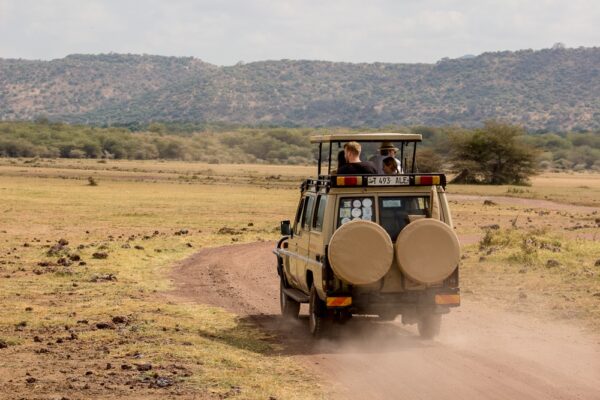

Planning how to get to Serengeti is easy when you know the main routes, flight options, and travel tips that make the journey smooth for first-timers. This guide explains how to get to Serengeti by road or air, helping beginners choose the most convenient path based on time, comfort, and safari style. Whether you are booking a short getaway or a longer wildlife adventure, how to get to Serengeti becomes simple once you understand the best entry points and the easiest way to connect from Tanzania’s major travel hubs.
How to get to Serengeti Explained
How to get to Serengeti from Europe
The smoothest route is usually an international flight into Tanzania’s major gateways, especially Kilimanjaro International Airport or Julius Nyerere International Airport in Dar es Salaam, followed by a domestic flight or road transfer into Serengeti. TANAPA says the park is reached by both road and air, with all-weather airstrips in Seronera, Kusini, Lobo, Kirawira, Kogatende, and Lamai, plus scheduled and private charters from Arusha, Mwanza, Kilimanjaro, Musoma, Dar es Salaam, and Zanzibar. For first-timers, that means you can keep the trip simple: land in Tanzania, rest if needed, then connect straight into the park instead of spending a full day on the road.
How to get to Serengeti from Asia
From Asia, the smartest approach is to connect through a major hub in Tanzania, then continue to Serengeti by air or road, depending on your safari plan. Current Zanzibar Airport arrivals show Tanzania-bound traffic through places like Doha, Dubai, Istanbul, Addis Ababa, Nairobi, and Dar es Salaam, which is a good picture of the kind of routing many long-haul travelers use. Once in Tanzania, the Serengeti can be reached by domestic flights into airstrips such as Seronera, Kogatende, or Lamai or by road through Arusha and gates like Naabi Hill. This is a practical, flexible option if you want to balance travel time, budget, and safari comfort.
How to get to Serengeti from the US
From the USA, the trip usually starts with a long-haul international flight into Tanzania, most often via Kilimanjaro or Dar es Salaam, because Serengeti itself is accessed by road or air rather than direct intercontinental service. Tanzania’s official airport pages describe JNIA and KIA as international gateways, and TANAPA lists onward access to the Serengeti from Tanzanian hubs, including Arusha, Kilimanjaro, Dar es Salaam, and Zanzibar. If you want the fastest arrival, book a domestic flight to Seronera, right in the middle of the park. If you prefer a classic safari feel, land in Arusha or Kilimanjaro and drive in through Naabi Hill. Either way, the path is very manageable once you reach Tanzania.

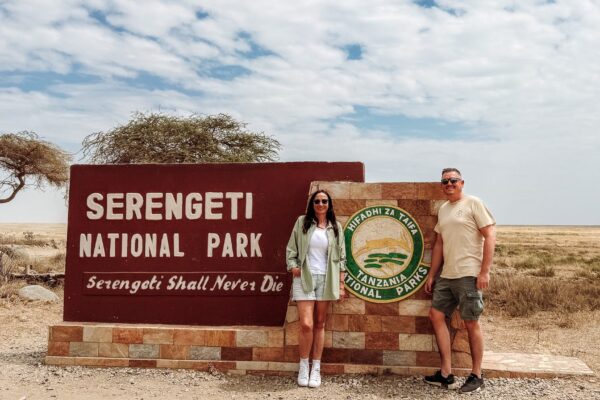
How to get to Serengeti (All-Accessible Routes by Safari Experts)
1) East Road Route via Arusha and Naabi Hill
This is the most popular first-timer route and the best choice for travelers who want the full safari-road experience. From Arusha, many visitors drive through the northern circuit toward Ngorongoro before entering Serengeti through Naabi Hill Gate, one of the main access points on the eastern side. Local travelers can join a guided safari vehicle or self-drive with proper park arrangements. International travelers usually fly into Kilimanjaro, Arusha, or Dar es Salaam first, then connect by road. It is longer, but the scenery, wildlife stops, and sense of arrival make it unforgettable.
2) Southern Route via Ndutu and Handajega
This route works beautifully for travelers heading into the southern Serengeti, especially when the migration is around the Ndutu area. TANAPA lists Ndutu and Handajega among the park’s road access points, so this corridor is useful for visitors targeting the southern plains and seasonal wildlife movement. Local travelers often combine this with a broader northern circuit road safari. International travelers usually arrive by flight into Arusha, then continue by road to the south. It is a smart route for photographers, migration-focused itineraries, and anyone who wants a quieter entry into the park.
3) Western Route via Mwanza, Ndabaka, and Kirawira
If you are coming from western Tanzania, this is a practical and scenic option. TANAPA recognizes Ndabaka and the western-side access network, while the park brochure also lists Kirawira as a major air access point in the west. Local travelers from Mwanza or nearby regions often prefer this route because it shortens the overland drive and connects well with the western corridor. International travelers can also use Mwanza as a gateway after a domestic flight. This route is especially useful for visitors who want to explore a less crowded side of the Serengeti and still keep travel time manageable.
4) Central Air Route via Seronera Airstrip
This is the fastest and easiest way to reach the heart of the Serengeti. TANAPA identifies Seronera as the central all-weather airstrip, and scheduled or private charters operate from Arusha, Mwanza, Kilimanjaro, Musoma, Dar es Salaam, and Zanzibar. For local travelers, it is ideal when time is short and you want to maximize game drives instead of road time. For international travelers, this usually means flying into Tanzania first, then taking a domestic connection into the park. Seronera is the best all-around base for first-timers because it places you close to classic wildlife viewing areas.
5) Northern Air Route via Kogatende and Lamai
This is the route for travelers who want to focus on the northern Serengeti and migration crossings. TANAPA lists Kogatende and Lamai among the park’s northern all-weather airstrips, and they are excellent for access to the Mara River area. Local travelers often use this route when following the migration season or booking a higher-end safari that prioritizes fast transfers. International travelers usually connect through Arusha, Kilimanjaro, Dar es Salaam, or Zanzibar before boarding a charter. If your dream is to be close to the northern migration action, this is the smartest and most efficient choice.