The Most Incredible Hidden Gems in Serengeti National Park.
Hidden Gems in Serengeti by Serengeti Safari Experts
Discover the most incredible hidden gems in Serengeti National Park, from secret kopjes to river routes and wildlife-rich plains for a true Tanzania safari escape. The Serengeti is famous for the Great Migration, but the real magic often lives in its quieter corners: granite kopjes, river corridors, and northern hills where the crowds thin out and the wildlife story feels more personal.
Tanzania’s official tourism board highlights the western corridor’s Grumeti River, the north’s Lobo Hills, and the Moru Kopjes as standout areas within the park, while UNESCO recognizes the Serengeti’s vast savannah ecosystem as one of the world’s great natural wonders.
If you are looking for a Serengeti experience that feels a little more exclusive, these hidden gems deliver exactly that. They offer different moods of the park in one sweep: dramatic rock formations, quieter game-drive routes, powerful river crossings, and rich wildlife moments away from the busiest tracks. In other words, this is the Serengeti with more breathing room and more room for surprise.
Explore Hidden Gems in Serengeti, Tanzania
Moru Kopjes
Moru Kopjes is one of the most striking scenic corners of the Serengeti, with massive granite outcrops rising from the plains and creating a classic safari backdrop. Tanzania’s tourism site notes that black rhinos inhabit the Moru Kopjes area, making it especially important for travelers hoping to see one of the park’s rarest animals. The kopjes also have cultural depth, with nearby rock paintings and the Gong Rock area adding a historical layer to the landscape. It is the kind of place where geology, conservation, and wildlife all come together in one unforgettable stop.
Grumeti River
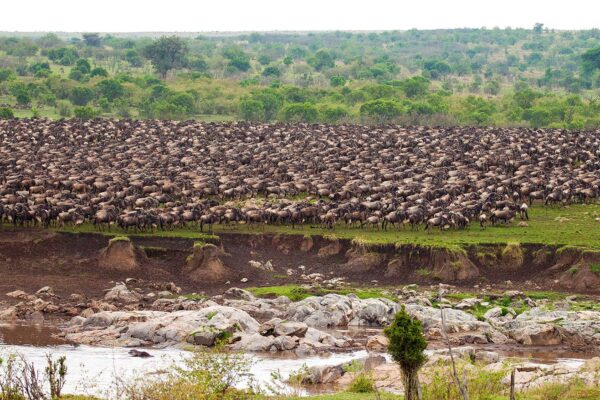
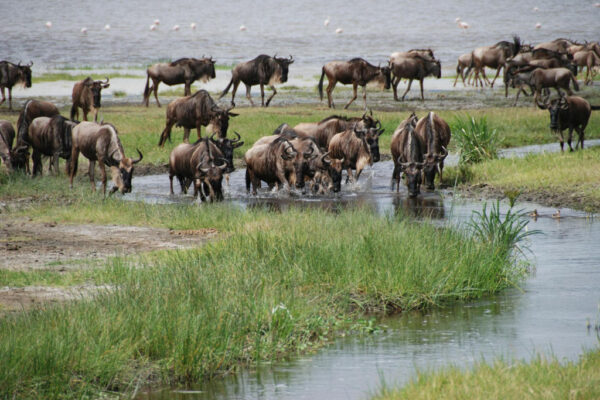
The Grumeti River is one of the Serengeti’s most dramatic hidden corners, especially during migration season. It runs through the western corridor, where migrating herds often face crocodile-filled waters on their way north. UNESCO and Tanzania’s tourism board both place this river corridor among the park’s key wildlife routes, and that matters because it turns an ordinary game drive into a real-life nature thriller. Outside the peak migration rush, the area still feels wonderfully wild, with riverine habitat, broader views, and fewer vehicles than the main central circuit. It is a top pick for travelers who want action without the chaos.
Lobo Hills and Northern Serengeti
Lobo and the northern Serengeti are perfect for travelers who prefer quieter safari days and wide, open views. Serengeti’s northern area is described as less visited and more peaceful than the southern plains, with rolling green hills and a different feel from the classic flat savannah. Tanzania’s tourism board also notes that this side of the park is linked to the migration route and is known for black eagles in the Lobo Hills. That mix of solitude, birds of prey, and migration movement makes Lobo feel like a secret chapter of the Serengeti rather than a side note.
Ndutu Plains
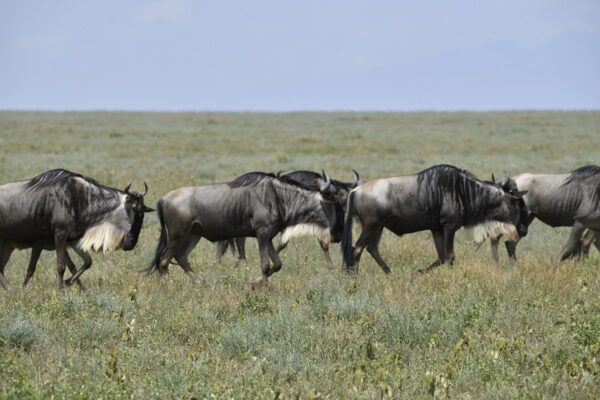
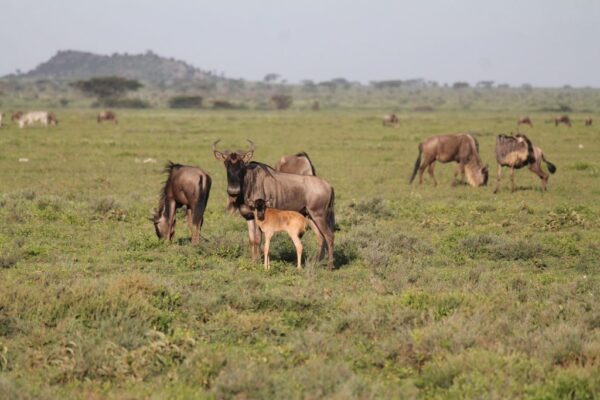
Ndutu sits on the southern edge of the Serengeti ecosystem and shines brightest during the calving season. The area is famous for its short-grass plains and for drawing huge numbers of wildebeest and zebra between January and March, which creates some of the best predator action in East Africa. Serengeti’s official area guide describes Ndutu as a vast open expanse full of classic Serengeti wildlife, while other trusted tourism sources highlight its role as a major calving ground. For photographers and wildlife lovers, Ndutu is a golden window into the cycle of life in the Serengeti.