The Serengeti-Mara Ecosystem Ultimate Guide For First-Timers
Serengeti-Mara Ecosystem Facts, Location, Animals, and Map
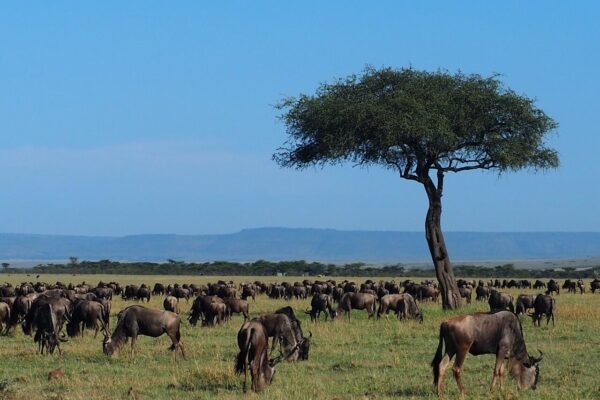
The Serengeti-Mara Ecosystem Ultimate Guide For First-Timers. Discover the Serengeti-Mara Ecosystem, Great Migration, best time to visit, and travel planning. The Serengeti-Mara is a breathtaking transboundary wilderness in northern Tanzania and southwestern Kenya. Its vast savanna plains and riverine woodlands host one of Earth’s most spectacular wildlife events: over six million hoofbeats (wildebeest, zebra and gazelle) thunder across a 1,000 km circuit each year. As a UNESCO World Heritage ecosystem, it harbors Africa’s Big Five and four globally threatened species (black rhino, elephant, wild dog, cheetah). Its 25,000 km² of “endless plains”, dotted with iconic rocky kopjes, provide a cinematic backdrop for these migrations. Together, these features make Serengeti-Mara an unrivaled natural tapestry, alive with biodiversity and drama.
The Serengeti-Mara Ecosystem offers an incredible combination of wildlife, scenery, culture, and conservation significance that few places in the world can match, making it a must-see for tourists from the US, Europe, and Asia. Millions of wildebeest, zebras, and gazelles travel across expansive plains and breathtaking river crossings in this famous area during the Great Migration, a wildlife display that is frequently referred to as the greatest on Earth and captivates nature enthusiasts everywhere. Adventure, photography, cultural understanding, or biological knowledge are all things that the Serengeti-Mara offers, along with life-changing experiences and a deep connection to one of the planet’s most amazing ecosystems.
Serengeti-Mara Ecosystem Key Facts
-
Size: ~30,000 km² across northern Tanzania and southern Kenya, including Serengeti NP, Ngorongoro CA, other reserves and Kenya’s Maasai Mara NR.
-
Great Migration: ~2 million wildebeest, 300,000 zebra and 900,000 gazelles circle these plains each year (about 6 million hoofbeats) along an 800–1,000 km route.
-
Wildlife: Africa’s largest lion population (~4,000) lives here, plus ~1,000 leopards, 225 cheetahs, 3,500 hyenas, and 300 endangered wild dogs. Dominant grazers include 70,000 buffalo, 2,700 elephants and 4,000 giraffes. Over 500 bird species (5 endemic) thrive in the diverse habitats.
-
Status: Serengeti NP and Maasai Mara NR protect the core of this ecosystem. Serengeti was designated a UNESCO World Heritage Site and is often celebrated as one of Africa’s natural wonders for its endless plains and wildlife.
Serengeti-Mara Ecosystem Location
(Geography and Boundaries)
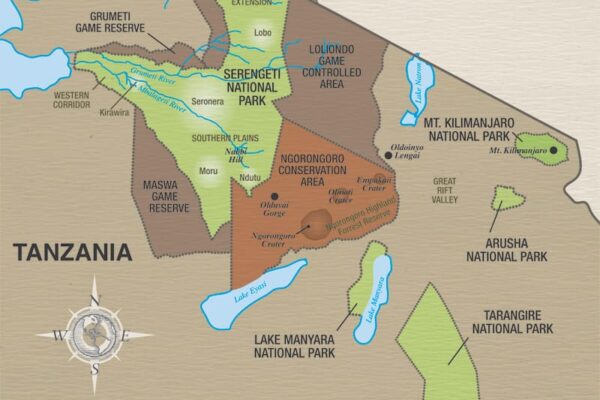
The Serengeti-Mara ecosystem spans roughly 30,000 km² across northern Tanzania and southwestern Kenya. It includes Tanzania’s Serengeti NP, Ngorongoro CA and nearby game reserves (Maswa, Grumeti, Loliondo, etc.) and Kenya’s famed Maasai Mara NR. The terrain is mostly rolling savanna plains, with natural limits like the Rift Valley escarpment and major rivers (Mara, Grumeti) feeding the system. Officially, the ecosystem boundary is drawn around the full wildebeest migration circuit and its watershed. This broad transboundary zone thus enables wildlife herds to roam seasonally across international borders
Serengeti-Mara Ecosystem Key Animal Species
The Serengeti-Mara teems with iconic and ecologically vital wildlife. Top predators include ~4,000 lions and ~1,000 leopards, along with cheetahs, spotted hyenas and ~300 African wild dogs. Vast grazing herds (~2 million wildebeest, 300,000 zebras, 900,000 gazelles) feed the plains, supporting large herbivores like ~70,000 buffalo, ~2,700 elephants and ~4,000 giraffes. Wildebeest are ecosystem engineers: their massive grazing and trampling spur grass regrowth and recycle nutrients. Remarkably, all of Africa’s “Big Five” (lion, leopard, African buffalo, elephant and the rare black rhinoceros) inhabit this ecosystem. Together with thousands of other species, they make Serengeti-Mara an unparalleled showcase of African wildlife and biodiversity.
Serengeti-Mara Ecosystem Maps and Stakeholder Uses
Maps of the Serengeti-Mara show park and reserve boundaries (Serengeti NP, Ngorongoro CA, Maasai Mara NR) overlaid on the landscape (plains, kopjes, rivers). They often trace the annual wildebeest migration loop and mark seasonal ranges and river crossings. Conservation zones (core protected areas, corridors, community conservancies) are highlighted. Tourists use these maps to plan safaris around wildlife hotspots and lodges; conservationists and researchers use them to identify critical corridors, monitor habitats and manage wildlife. Such maps also help students and educators grasp the ecosystem’s scale and connectivity. Indeed, an official 1:250,000 Serengeti-Mara ecosystem map was produced to integrate all these features.
Serengeti-Mara Ecosystem Best Time To Visit
What you wish to see will determine the ideal time to visit the Serengeti-Mara. The Great Migration, particularly the spectacular river crossings at the Grumeti and Mara Rivers, is at its height during the dry season, which runs from June to October. It also provides great opportunities for animal viewing. The calving season, which runs from December to March on the southern plains of Ndutu, attracts both newborn herbivores and predators, making it an exciting period for wildlife encounters and photography. Lusher scenery, fewer visitors, and cheaper lodge prices are characteristics of shoulder seasons (April–May & November). Success on safari frequently depends on adaptability and seasonal knowledge.
Serengeti-Mara Ecosystem Great Migration
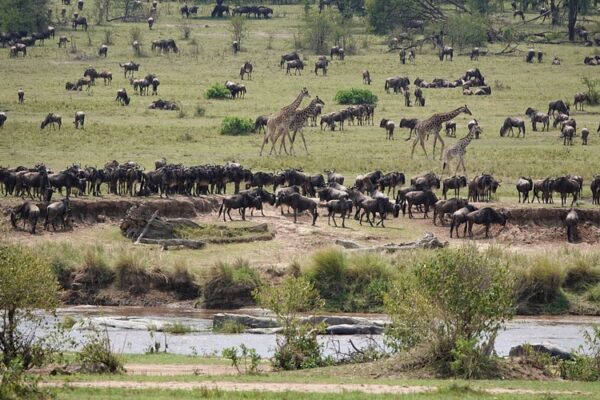
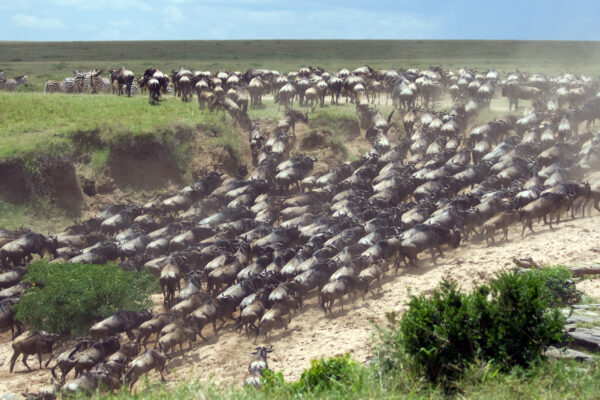
Over two million wildebeest, zebras, and gazelles travel in a circle over the Serengeti-Mara ecosystem during the Great Migration, one of the most amazing animal spectacles on Earth. The calving season in the southern Serengeti occurs from January to March, while the herds migrate northward through the central plains in search of river crossings from April to June. Each season emphasizes a distinct stage. Herds go across the northern Serengeti and Kenya’s Maasai Mara from July to October, where they must make the spectacular Mara River crossings against waters teeming with crocodiles. The herds’ natural quest for food, water, and survival is reflected in this dynamic occurrence.
Serengeti-Mara Ecosystem Safari Packages
Safari packages through the Serengeti-Mara ecosystem range from short 4-day wildlife highlights to extended 8- to 10-day expeditions combining Serengeti, Ngorongoro, and Maasai Mara. Options include fly-in safaris, mobile tented camps that follow migrating herds, and luxury lodge experiences tuned to key events like the Great Migration. Many operators tailor itineraries for specific interests, river crossings, predator encounters, birdwatching, or photography, with prices and comfort levels from budget to luxury. Booking at least 6–12 months ahead, especially for peak migration months (June–October), helps secure the best routes and campsites.