Where Is Serengeti in Tanzania? Location, Map + Coordinates.
Where Is Serengeti? The First-Timer’s Guide
Serengeti Location
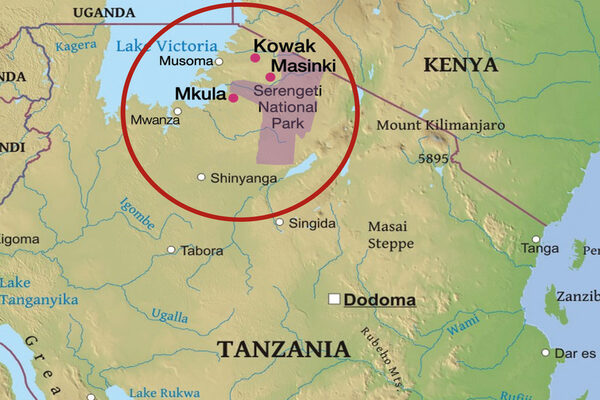
The Serengeti is in northern Tanzania, forming one of the most famous safari landscapes in Africa. It stretches across wide plains in the Mara and Simiyu regions and reaches toward the Kenya border, where it connects with the Maasai Mara ecosystem. The Serengeti National Park itself sits west of the Ngorongoro Conservation Area and covers a huge area of protected wilderness. Its location makes it a major part of East Africa’s wildlife corridor, which is why so many travelers plan their safari around this destination. It is remote, vast, and full of classic African safari atmosphere.
Serengeti Map
A Serengeti map usually shows several key zones: the central Seronera area, the western corridor, the northern plains, and the southern plains. These regions matter because wildlife movement changes through the year, especially during the Great Migration. The map also highlights rivers, airstrips, lodges, gates, and the park’s connection to nearby conservation areas. For first-time visitors, a map is useful for understanding travel distances and choosing the best safari route. It also helps explain why some areas are better for lions, others for river crossings, and others for vast herds and open grassland views.
Serengeti Coordinates
The Serengeti is generally located around 2.3° to 2.5° south latitude and 34.5° to 35.5° east longitude, depending on the exact point inside the ecosystem. The national park covers a large area, so the coordinates vary by section. The central Seronera area is one of the best-known reference points for visitors and safari operators. These coordinates place the Serengeti in East Africa’s tropical zone, which helps create its warm climate and seasonal rainfall patterns. That climate supports the grasslands and wildlife movements that make the region so famous. It is a truly iconic safari location.
Serengeti Plains
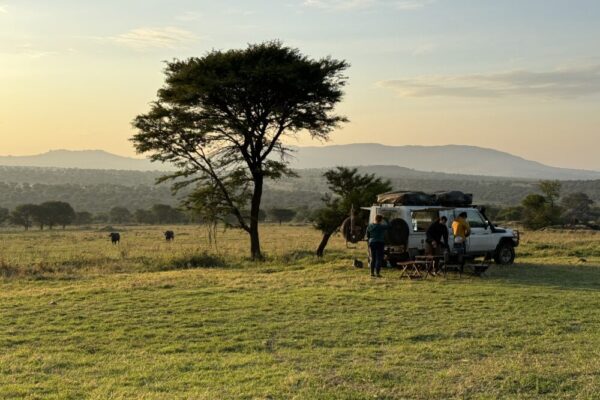
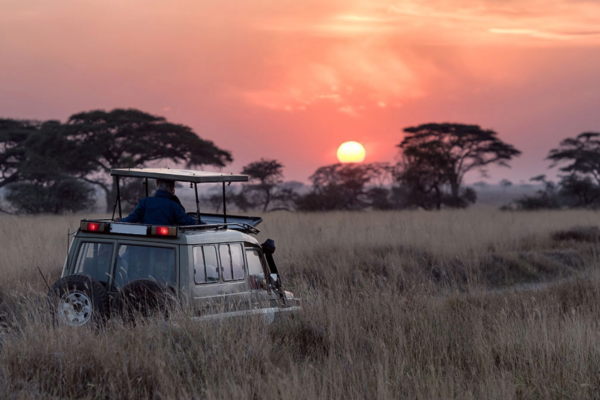
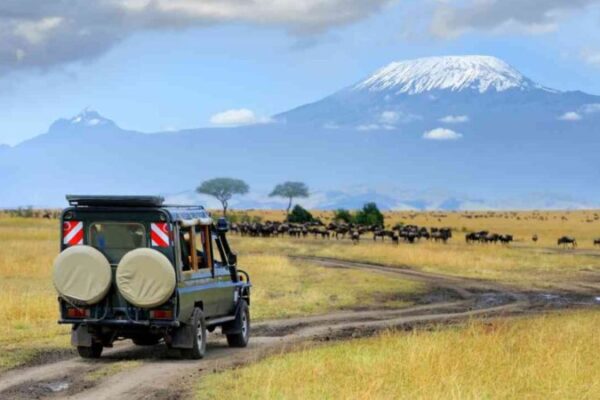
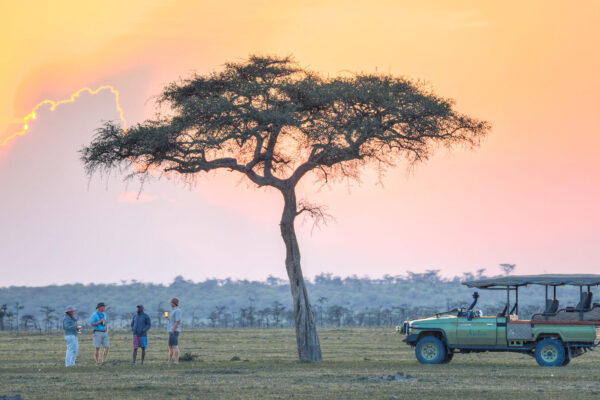
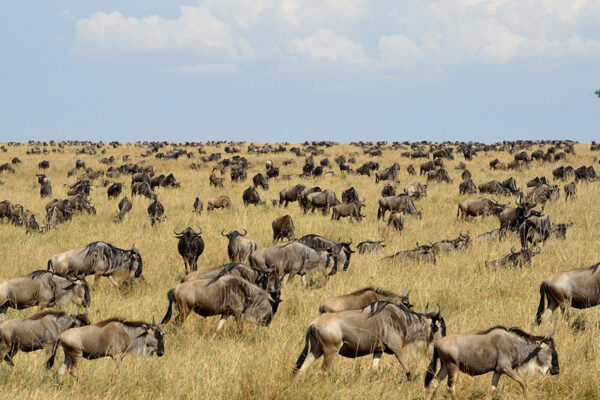
The Serengeti plains are the wide open grasslands that define the park’s most recognizable scenery. These plains are especially important in the southern and eastern parts of the ecosystem, where short grasses create ideal grazing grounds for wildebeest, zebras, and gazelles. Because the land is so open, predators such as lions, cheetahs, and hyenas are often easier to spot. The plains also become a dramatic stage for the Great Migration, especially during calving season. Their beauty lies in their simplicity: endless skies, soft light, scattered acacia trees, and wildlife stretching as far as the eye can see.
Serengeti Desert Facts
The Serengeti is not a desert, even though some people use that word loosely when describing its dry, open landscapes. It is actually a savanna ecosystem with grasslands, woodlands, and seasonal wetlands. Desert facts about the Serengeti usually refer to its dry seasons, when the land can look dusty and sparse, but it still supports enormous numbers of animals. Rainfall is seasonal, not absent, and the ecosystem depends on that cycle. So the real fact is this: the Serengeti is not a desert at all but a living, changing savanna that feels wild, spacious, and incredibly rich in wildlife.