Kilimanjaro Trekking: Amazing 2027 Mount Summit With Experts
Kilimanjaro Trekking Complete Guide For First-Time Visitors
Kilimanjaro trekking services with expert guides to summit Mount Kilimanjaro, custom itineraries, safety, and acclimatization tips. Kilimanjaro trekking for all levels. Summit with confidence on Mount Kilimanjaro, guided by seasoned professionals who turn ambition into achievement. Our expert leaders design paced itineraries that prioritize acclimatization, safety, and local knowledge, improving your summit odds while showcasing Kilimanjaro’s changing ecosystems. Expect trained guides, experienced porters, emergency plans, and gear advice tailored to your fitness level; we balance challenge with careful support so the climb is tough but never careless.
Choose a tailored Kilimanjaro trekking package and enjoy end-to-end logistics handled by Serengeti Safari Experts, with permits, transfers, nutritious mountain meals, and respectful, fair treatment for crews included. We offer flexible route options and trip lengths to suit beginners and seasoned trekkers, plus pre-trip briefings, rental gear, and optional acclimatization days. Kilimanjaro trekking Bookings include clear pricing, recommended insurance, and 24/7 local support so you can focus on the summit, not the small print. Ready to plan your climb? Contact Us Now
Facts About Kilimanjaro Trekking
Kilimanjaro hike difficulty
Mount Kilimanjaro presents a serious high-altitude trek requiring fitness, mental resilience, and gradual acclimatization. Routes vary from steady to very steep; easier paths still demand long days, cold nights, and exposure. Altitude sickness is the main risk; pace, hydration, and rest days matter. With experienced guides, good kit, and proper acclimatization, many trekkers succeed, but the climb is not to be underestimated. Plan training hikes and consult your physician.
Kilimanjaro elevation
Elevation refers to altitude above sea level; the summit reaches 5,895 meters (19,341 feet). This elevation creates thin air and cold conditions, with oxygen roughly half that at sea level. Trekkers should acclimatize gradually to reduce the risk of altitude illness. Weather and temperature vary by altitude bands: rainforest, moorland, alpine desert, and the arctic summit, each with distinct gear and pacing needs, and medical planning is essential for safe climbs.
Kilimanjaro height
Height commonly denotes the mountain’s vertical measurement from base to summit; for this mountain, most references use summit elevation above sea level: 5,895 meters (19,341 feet). Its height places it among the world’s tallest freestanding mountains. Climatic zones change with height, affecting flora, fauna, and human physiology. Consider both elevation and route profile when preparing: total ascent and daily altitude gain determine difficulty and required acclimatization strategies for successful summits.
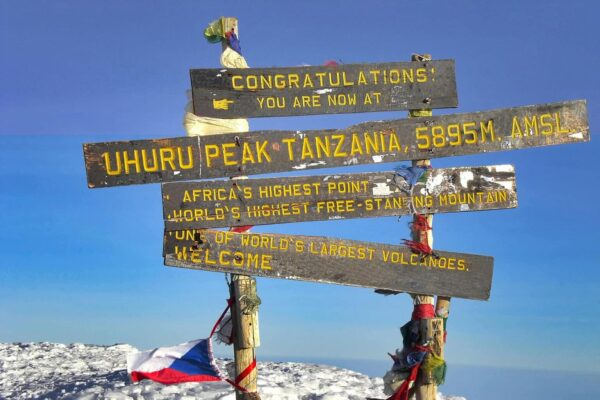
Kilimanjaro Trekking Packages for First-Timers
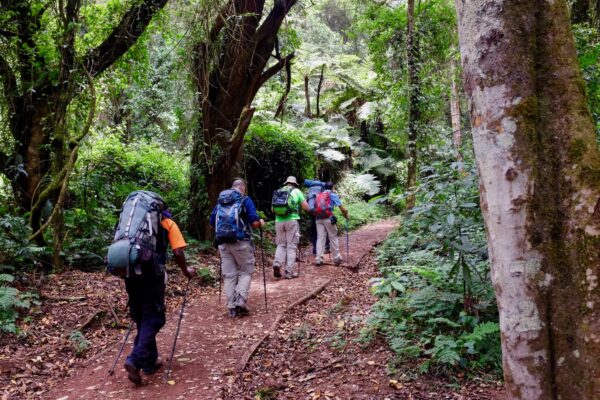
8-Day Kilimanjaro Lemosho Route Hike
Eight-day Lemosho: gentle ascent, exceptional scenery, excellent acclimatization, low crowds, and high summit success, perfect for photographers and gradual, scenic climbs.
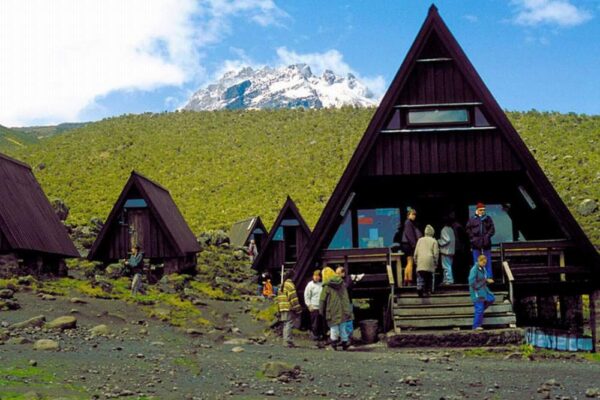
6-Day Kilimanjaro Marangu Route Trek
Six-day Marangu: classic “hut” route with dormitories, straightforward trails, shorter schedule, and comfortable nights, suited to trekkers wanting simplicity and basic comforts.
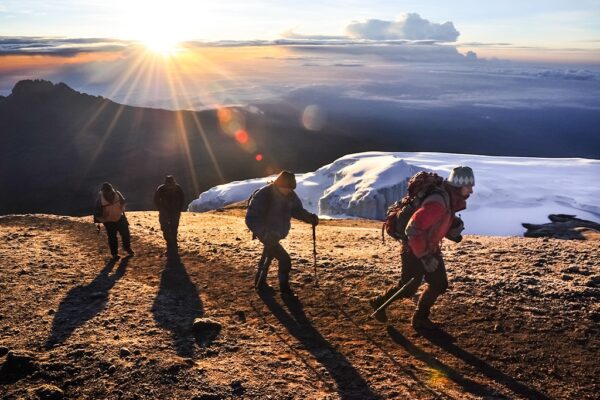
7-Day Kilimanjaro Machame Route Trekking
Seven-day Machame: scenic, varied terrain and steep sections; great vistas and balanced challenge, ideal for fit trekkers seeking dramatic landscapes and strong support.
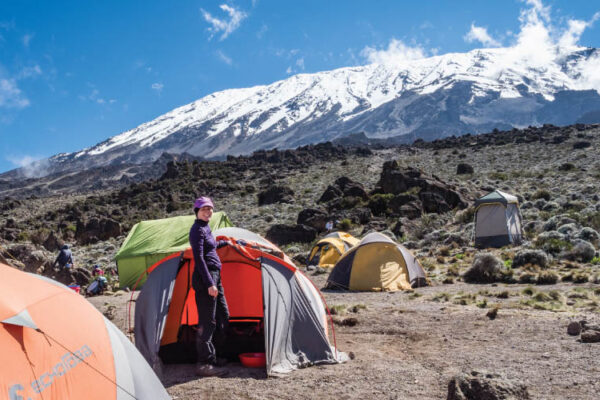
7-Day Kilimanjaro Rongai Route Itinerary
Seven-day Rongai: a gentler northern approach with drier, less crowded trails, steady ascents, and reliable weather, superb for calm, dependable summit attempts.
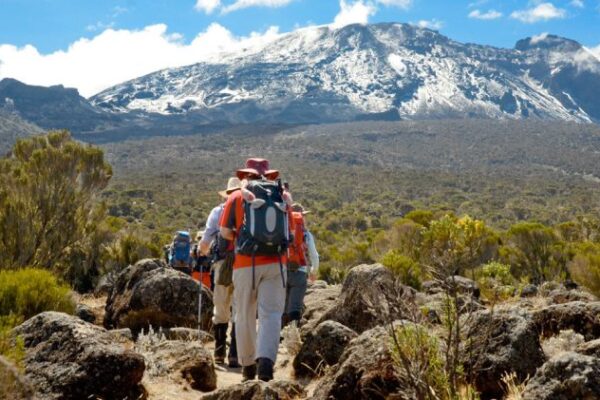
7-Day Kilimanjaro Umbwe Route Hike
Seven-day Umbwe: the steepest, most direct southern line, intensely demanding with limited acclimatization time; recommended only for very experienced, well-prepared climbers.
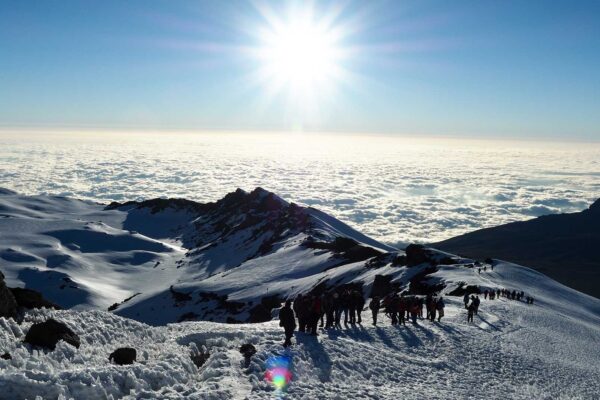
10-Day Northern Circuit Route Hike
Ten-day Northern Circuit: the longest, most gradual route with superb 360° panoramas and excellent acclimatization, the top choice for high success rates and solitude.
Kilimanjaro Tours with Serengeti Safaris
Combining Kilimanjaro trekking and a Serengeti wildlife safari creates one of Africa’s most complete adventures. You conquer the continent’s highest peak, then descend into one of the richest wildlife ecosystems on Earth. After days above the clouds on Mount Kilimanjaro’s glaciers and alpine deserts, the journey shifts to golden savannah plains where lions, elephants, giraffes, and the Great Migration roam freely across Serengeti National Park. These seamless experiences appeal to travelers from the USA, Europe, and Asia because they blend personal achievement with classic safari excitement: sunrise summit photos followed by sunset game drives, luxury lodges, expert guides, and authentic Tanzanian culture, all in unforgettable, perfectly balanced expeditions.
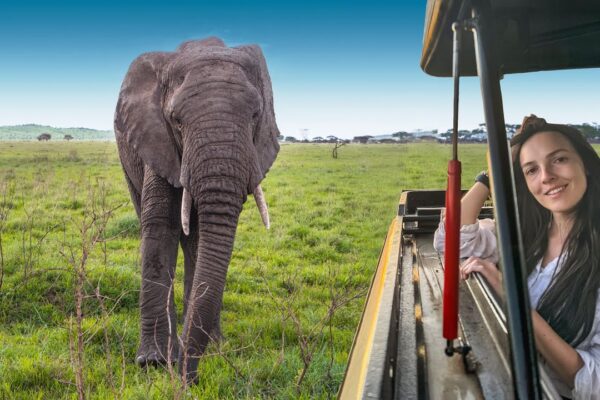
Kilimanjaro Climb and Serengeti Safari
Ten-day climb plus Serengeti safari: summit achievement followed by big-five game drives, a seamless blend of mountain triumph and classic Tanzanian wildlife experiences.
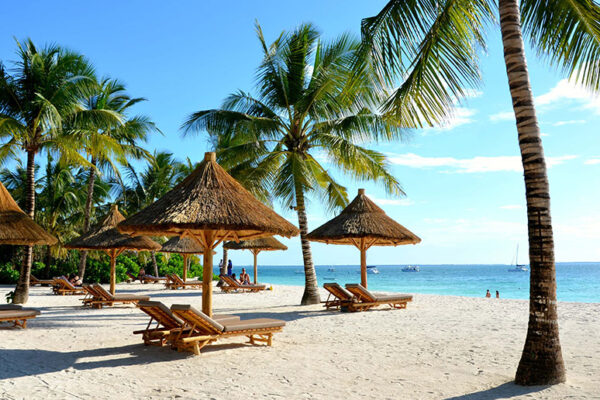
Kilimanjaro Hike and Zanzibar Holiday
Twelve-day Kilimanjaro and Zanzibar: high-altitude challenge, then island relaxation, ideal for travelers who want adventure, beach recuperation, and cultural contrast.
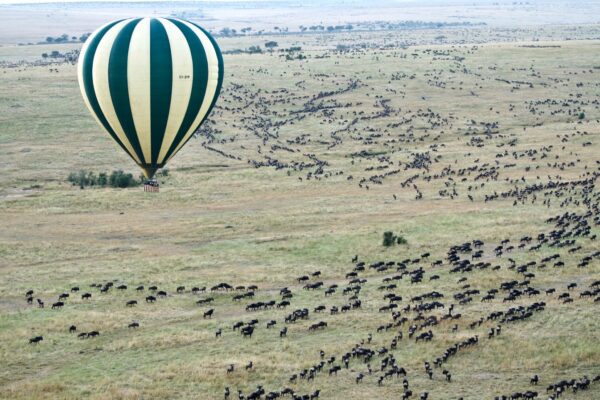
Kilimanjaro Trek and Great Migration
Ten-day trek plus Great Migration safari: climb Africa’s roof, then witness the Serengeti’s iconic wildebeest migration; peak experiences in one trip.
Kilimanjaro Trekking Routes
Machame Route
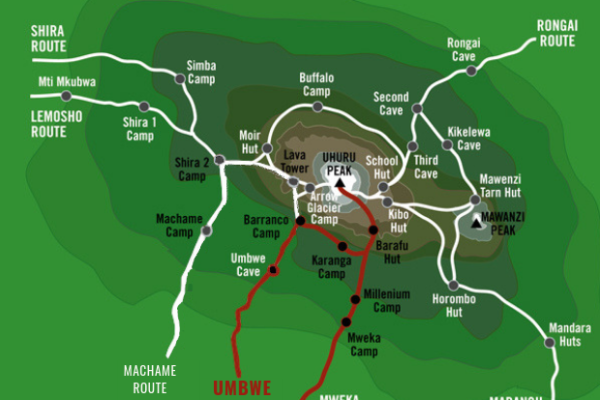
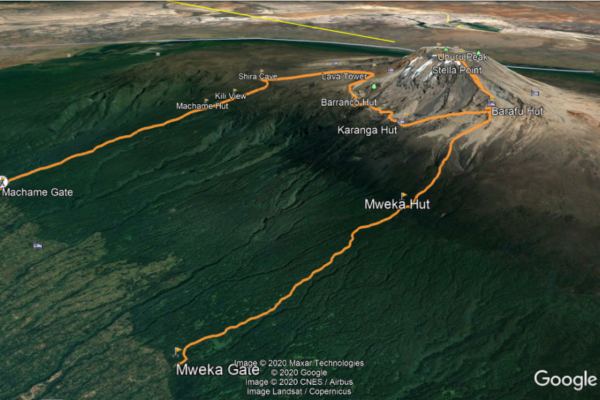
A dramatic, popular southwest approach with varied scenery, rainforest, moorland, and the spectacular Barranco Wall. Typically 6–8 days, Machame balances challenge and acclimatization, offering high summit success when done over seven days. Expect camping, steep sections, and excellent vistas; ideal for fit trekkers who want scenery and good support.
Marangu Route
Known as the “Coca-Cola” route, Marangu is the historic, hut-based path offering dormitory accommodation rather than camping. Shorter itineraries make it accessible but can lower summit success unless you choose a longer schedule. It’s straightforward and less technical, suited to trekkers seeking comfort and a simpler logistical experience.
Lemosho Route
Aesthetically, the most scenic western approach, Lemosho, begins on the Shira Plateau and joins Machame near Lava Tower. Longer itineraries (7–8 days) improve acclimatization and success rates, with low early crowds and diverse landscapes. It’s excellent for photographers and those seeking a quieter, gradual ascent to Uhuru Peak.
Rongai Route
Rongai approaches from the northeast near the Kenyan border, offering a gentler gradient and a less crowded experience. Often recommended in the rainy season for drier conditions, it provides steady ascents and a different perspective on Kilimanjaro’s northern slopes. Perfect for trekkers wanting a calmer, reliable climb.
Umbwe Route
The Umbwe Route is Kilimanjaro’s steepest, most direct, and toughest southern approach. Favored by experienced trekkers, it offers dramatic scenery and steep altitude gains with limited acclimatization time. Expect lower summit rates; strong fitness, high-altitude experience, and a readiness for a demanding, remote, fast-paced mountain adventure are essential. Preparation matters.
Shira Route
Starting high on the Shira Plateau, Shira offers wide panoramas and a remote feel, but its high trailhead can mean rapid altitude gain early on. Shorter and less frequented than Lemosho, it suits experienced trekkers who prefer solitude and scenic plateau walking, though extra acclimatization days are strongly advised.
Kilimanjaro Trekking Resources For Planning
Discover the ultimate Kilimanjaro trekking resources for planning: expert route guides, packing lists, altitude-acclimatization tips, permit and guide booking steps, and sample itineraries that make preparation simple and stress-free. Whether you’re comparing Lemosho and Machame routes or budgeting for porters and park fees, our Kilimanjaro Trekking toolkit gathers checklists, trusted operators, and seasonal weather windows in one place so you can train confidently and enjoy your Kilimanjaro Trekking trip.
The Best Time To Climb Kilimanjaro
The best windows for Kilimanjaro trekking are the dry seasons, December to mid-March and late June to October, when trails are clearer, summit nights are more predictable, and views are at their best. Dry-season climbs lower the chance of rain, reduce mud on steep paths, and improve visibility for crater and glacier panoramas. Weather still changes fast on the mountain: microclimates mean one route can be sunny while another is cloudy. If you value space and slightly warmer conditions, aim for the quieter shoulder months within the dry windows; avoid the long rains (March–May) when routes get wet and slippery.
Who Can Climb Kilimanjaro?
Kilimanjaro is unique because it’s a non-technical trek: you don’t need rock-climbing skills or ropes, just solid fitness, good preparation, and respect for altitude. Most climbers are healthy adults who train with aerobic work, stair/hill sessions, and multi-hour hikes beforehand. Medical conditions, especially heart, lung, or serious circulatory issues, require a doctor’s sign-off; pregnancy is generally discouraged. Families with older children can climb with operators who accept younger ages, but minimums vary, so check with your provider. Mental resilience and willingness to follow guides’ safety advice are as important as physical strength for a safe, enjoyable summit attempt.
Kilimanjaro Trekking Cost
Kilimanjaro trekking Costs vary by route, duration, service level, and operator. Typical Kilimanjaro trekking packages (including park fees, guides, porters, food, camping or hut accommodation, and transfers) range from roughly $1,300 for very basic local outfits to $2,600–4,100 for common 6–8 day packages; premium guided trips or longer routes (8–9+ days) can be $3,100–6,000+. Cheaper options may skimp on crew ratios or safety; longer itineraries cost more but improve acclimatization and summit chances. Budget for extras: international flights, visas, hotel nights, gear rental, tips for guides/porters, and emergency-evacuation insurance.
Accommodation on Kilimanjaro Mountain
Accommodation depends on the route and the night: on the mountain you’ll stay in purpose-built tents or, on some routes, simple huts. Camps are usually twin-share, with sleeping mats and communal dining/tent areas; operators typically supply warm meals, hot drink breaks, and basic toilet facilities (long-drop or tented). Higher-standard operators bring thicker mattresses, private dining tents, and solar-heated water for handwashing; porters and cooks handle camp setup and breakdown. Before and after the climb, you’ll stay in Moshi or Arusha hotels ranging from budget guesthouses to upscale lodges. Choosing a reputable operator ensures cleaner camps, fair porter treatment, and better gear for comfort and safety.
Kilimanjaro Trekking Packing List
Pack versatile layers: moisture-wicking base layers, insulating mid-layers (fleece/down), and a waterproof/windproof shell. Bring an insulated down jacket, a warm hat, a balaclava, high-quality gloves (plus liners), and sturdy waterproof trekking boots with good ankle support. Essentials: a warm sleeping bag (mountain-rated), a headlamp with spare batteries, trekking poles, sunglasses (UV protection), high-SPF sunscreen, water bottles or a hydration bladder, a small first-aid kit, altitude meds if advised, gaiters, and a comfortable daypack for summit night.
Kilimanjaro Trekking Summit Success Rate
Summit success varies widely because it’s driven more by acclimatization and route choice than raw fitness. Longer routes that prioritize gradual altitude gain (e.g., Lemosho, Northern Circuit) typically record higher success rates, often substantially above shorter, faster itineraries, because they allow more acclimatization days. Shorter routes or aggressive schedules see lower success. Weather, individual response to altitude, operator experience, and team pacing all matter: a well-paced 7–9 day itinerary with an experienced guide usually yields the best odds. Ask operators for their recent success statistics and their medical/evacuation protocols; these figures and policies are stronger indicators of your real chances than any single percentage.
Kilimanjaro Trekking Charity Climbs and Fair Porter Pay Now!
Kilimanjaro trekking offers life-changing adventure and a chance to test yourself, but it should also be an opportunity to give back: choose Serengeti Safari Experts who donate part of their fees to local charities, pay porters fair wages, and support community and conservation projects around Mount Kilimanjaro. Kilimanjaro Trekking done ethically protects trails, wildlife, and livelihoods, and Kilimanjaro Trekking with charity at its heart turns a personal summit into lasting benefit for the people and places that make the climb possible.